This is going to be a long post. But I want to try to explain to the total process of applying for a New Hampshire State Department of Energy Grant. So the first thing you want to do is go to the NH DOE website and click at the bottom of this screnshot REquest for proposals. Or click this link.
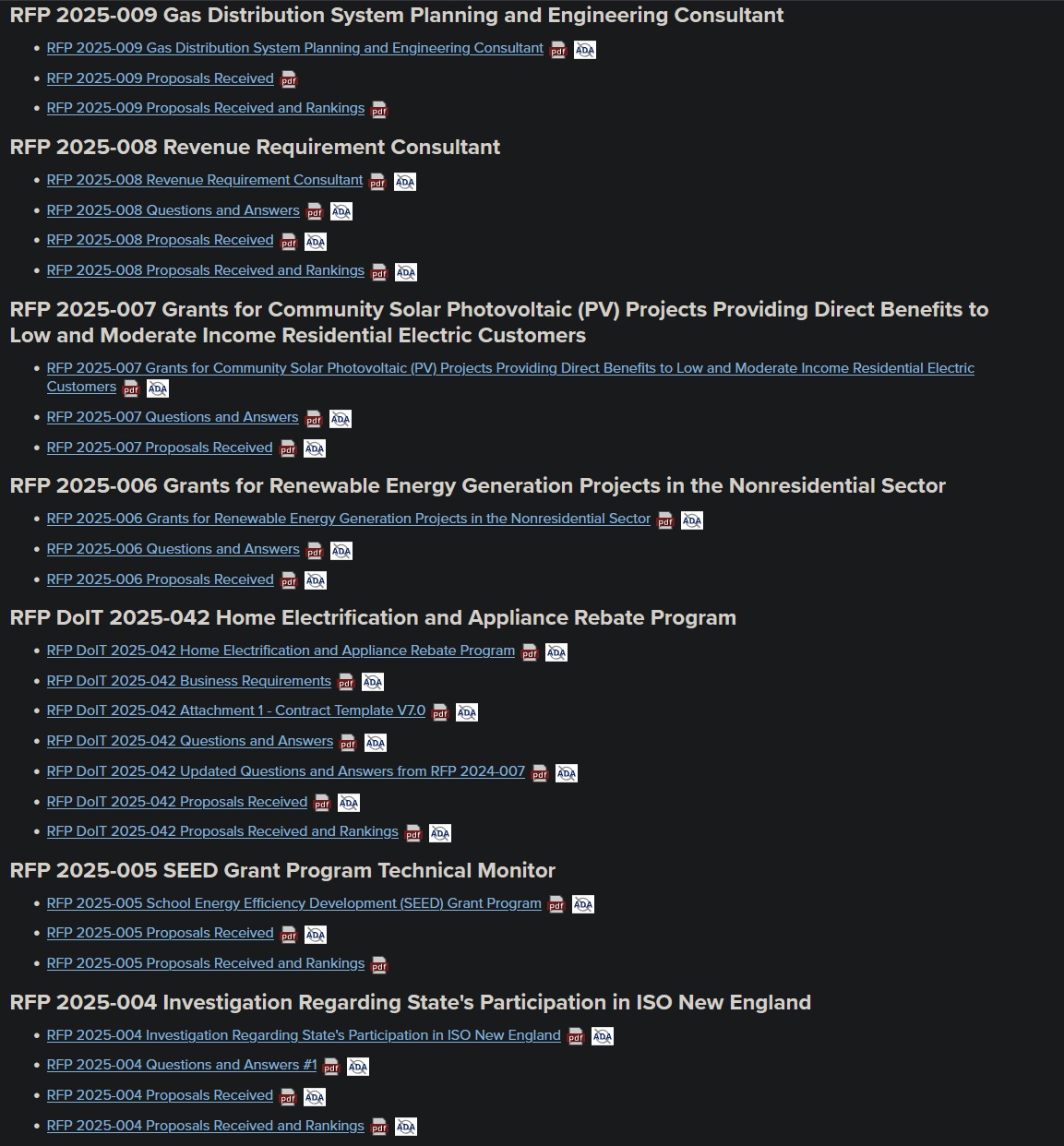
Then you will see on this site, different RFP proposals, and in the hydro world I believe this RFP 2025-006 Grants for Renewable Energy Generation Projects in the Nonresidential Sector.They seem to do this grant every year. My short explaination of this grant is to help non solar projects increase their production. The best explaination is to read the RFP. For our use its to upgrade our turbine and clean up the site and build a building over our current building that is basically dissolved.
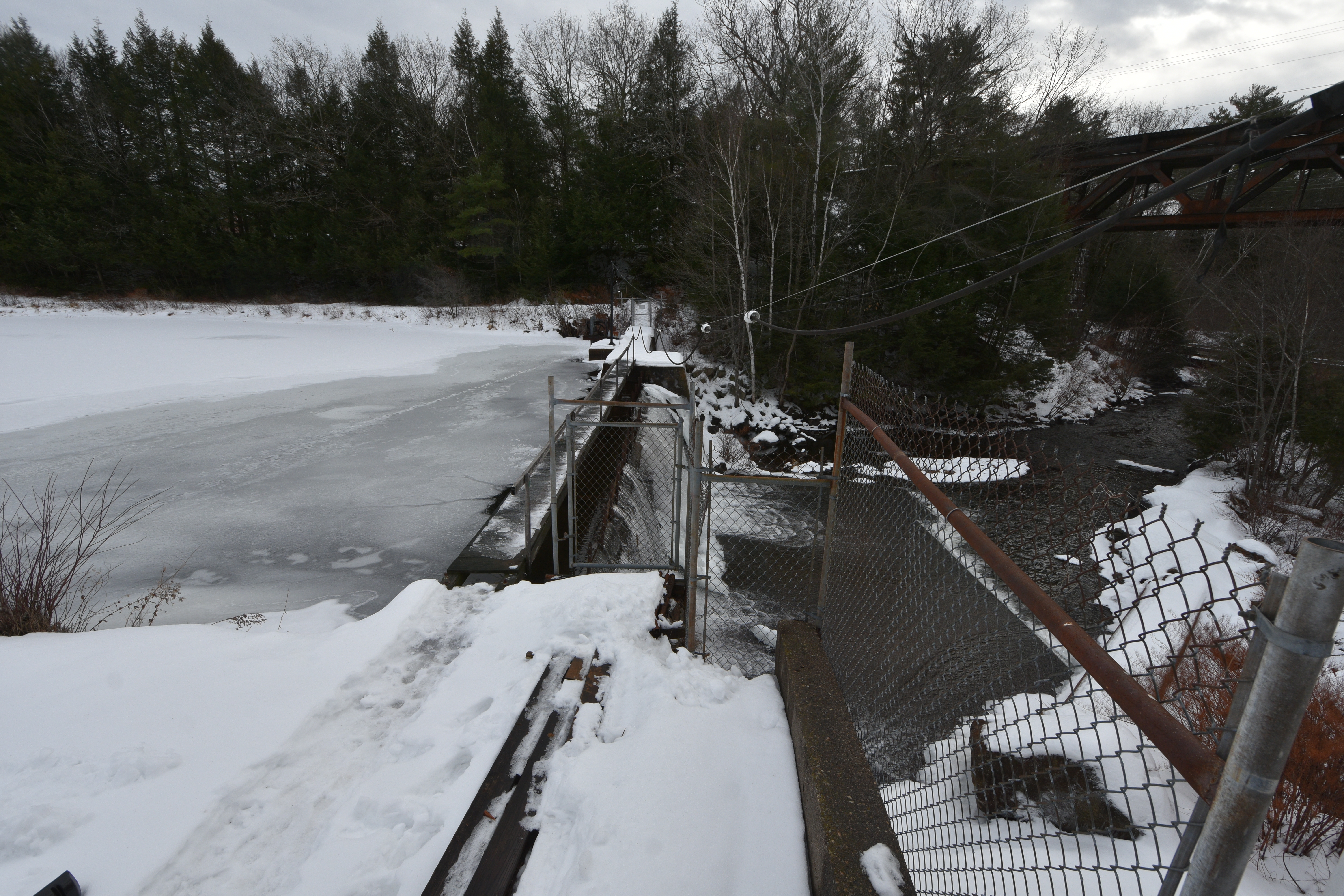
We had applied for this grant in 2024. We were not extremely prepared to apply for the RFP, but we did anyway. I had a meeting with a couple people in charge of this grant at the DOE in the fall of 24, and it should be noted that you cannot talk to anyone who works on the RFP while the RFP is currently active. So my advice to you if you want to apply for this grant, email the department setup a meeting and discuss what you want to do and is this something the state would be interested in funding. In our particular case I explained the previous owners and lack of performance of our current setup. While they basically cant tell you anything useful, they alteast gave me some useful insight. One, was that our site had been offline since 2019, and therefore our previous production could be considered zero, and historical information is not relevant in terms of the points scoring. I would imagine this is on a case by case basis, and there is no rules for this. One part of the grant gives you points for the amount of RECS, or Renewable Energy Credits you will make more than you did previously. Two, the state is very intereted in investing in projects with long term reliability, and not really a bodge fix to something to get the project running again. So fixing a leaking pipe or replacing a small part even if its expensive is not super attractive. They really were interested in the new shiny thing with a long project lifespan.
After having a zoom meeting with the state, we applied in 2024 for this grant. Our goal was to buy a new shiny turbine, fix up the site, and build a building. One distinction I want to make is while maybe not super important, is that the grant is a incremental improvement in production, and if our current turbine turns on for a decent amount of time our point scoring would not be as high. So I thought it was a ciritcal time in our journey to get this grant. Before our old turbine turns on we want to apply for the grant to score better, and I feel as though we would not be competitive as a new turbine is maybe only a 30-40% increase in total output but its small in the larger game of things.
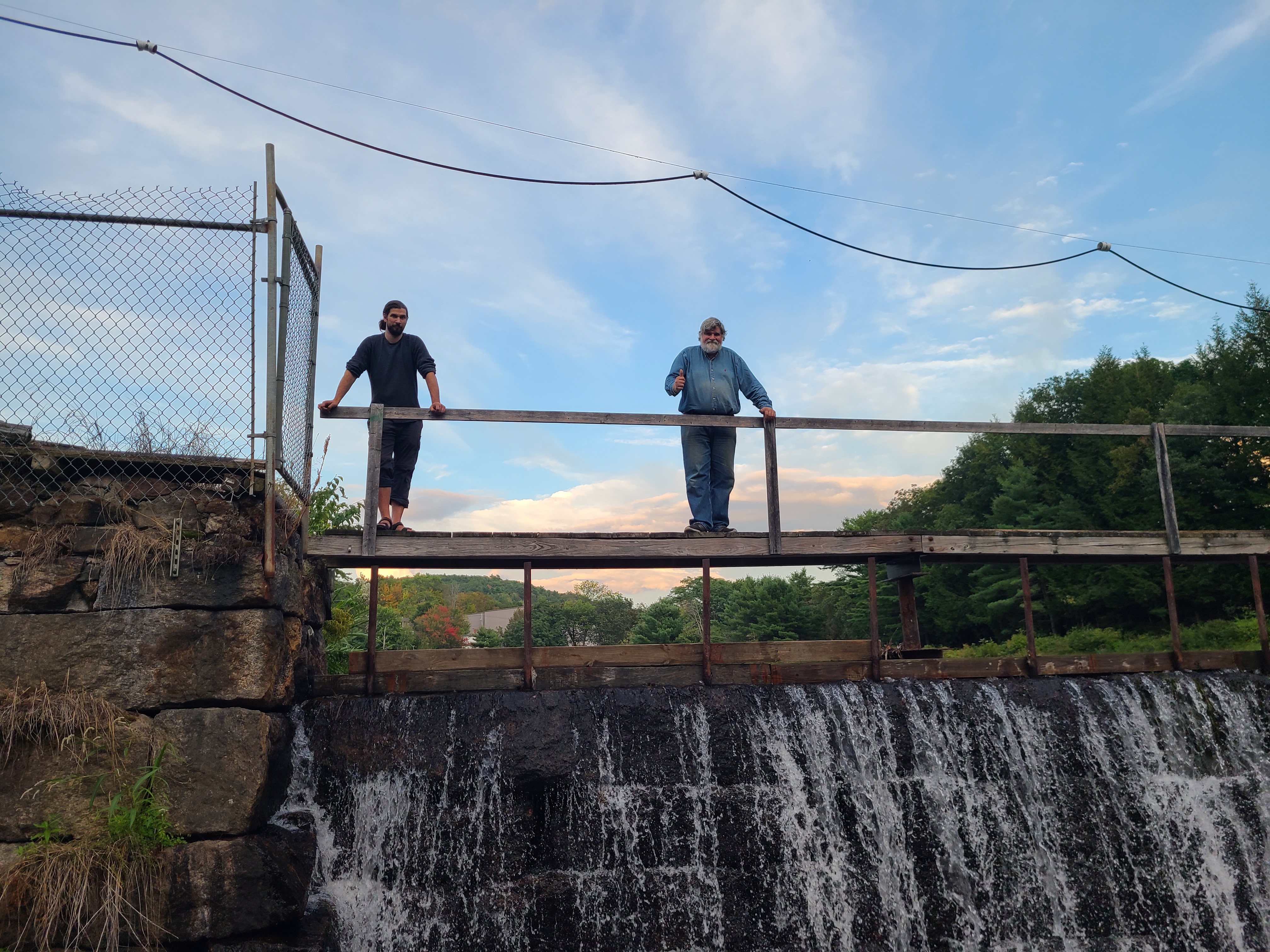
Ok so the new generation is one part of the grant points scoring system, the next is LCOE or Levelized Cost of Energy. They provide a calculator for this section, essentially how much money is going in, and over the course of the project projected lifespan which is 20-25 years, how much will the state be paying essentially for the energy you created. When I put our project numbers in, we got about $0.038/kWh which gets us the highest amount of points available. Basically how much will it cost the tax payer over the projected lifespan for the energy we create. As you know the actual cost of energy these days keeps going up and up, so about four cents a killowatt hour is quite good.
The next part of the grant talks about what are the benifits to New Hampshire, how many jobs short term and long term will it create? Energy saving measures, innovative technologies, inclusion of storage, and "other" which I imagine is a way to pad a candidate to the discrection of the scoring board. In our case, we will create some short term jobs with local carpenters, and riggers, and welders, and odd job stuff. We anticipate hiring a local or the neighbor to look after the place and keep the trash rack clean. So in these catagories we arent particularly strong but we have some points to score.
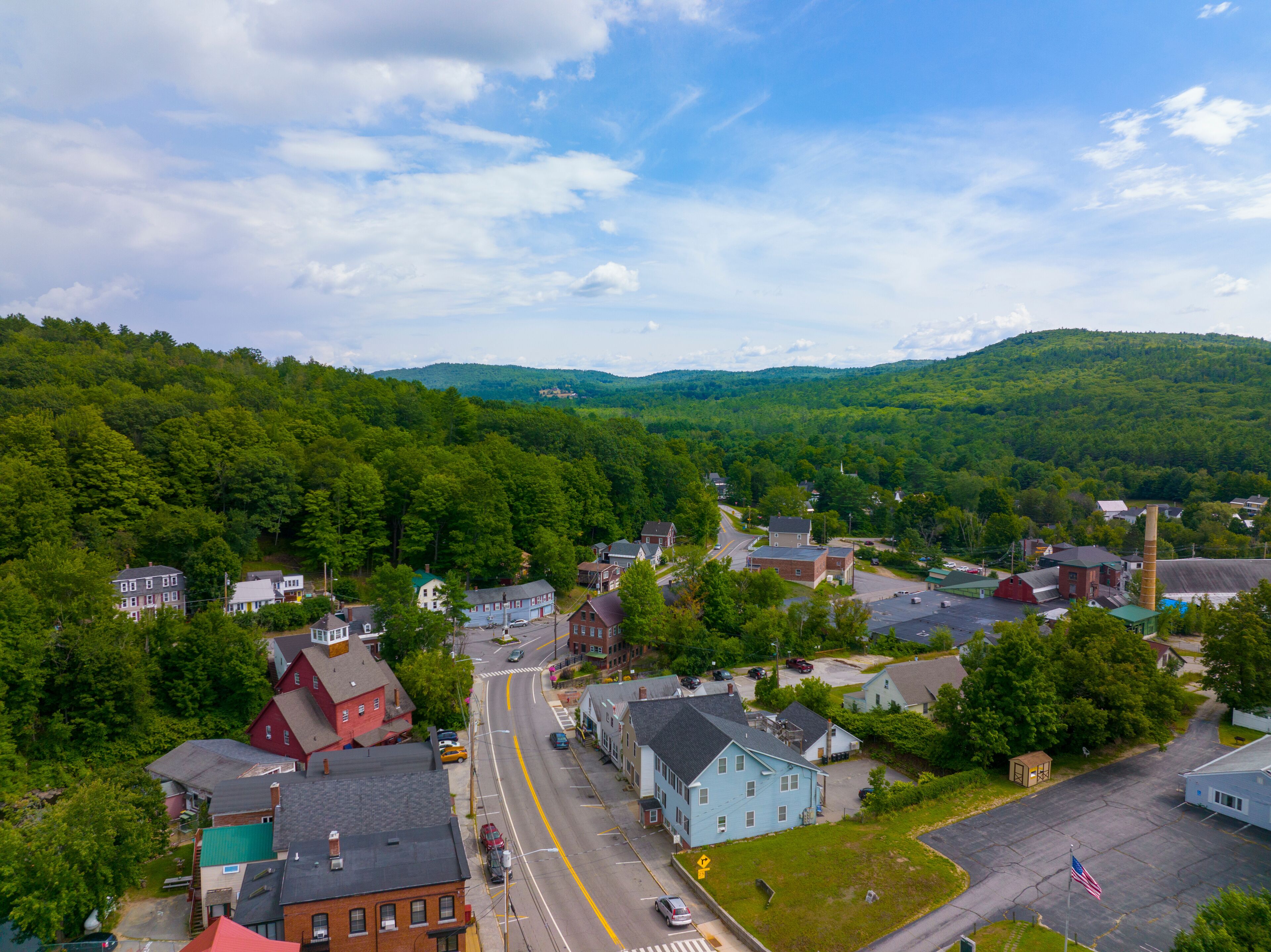
The next part of the grant is where the first time around I was not ready for but after a year I was well prepared. Project Readiness and Community Support. I could talk ad nauseam about this particular section. I cant stress enough about owning a hydro project, being a member of the community and supporting local goverment is critical. These ancient relics of the past are not always seen as a good thing. There are many dams today being ripped out purley from political problems. I cannot put into words how political a hydroelectric dam is. Whether its Federal, State, Town, Department of Engery, Public Utilities Commission, Eversource, or your areas electric service provider, they all want something from you. The main people who can get in your way is the town. Because AShland has its own utility company, and its such a small town being heard and helping the town will get you very far. Day -20 of buying this dam, we went to a select board meeting and presented our ideas, and scoped out the towns willingness for the project and willingness to help. From that day forward I have been in talks with the local goverment on a semi weekly basis for other reasons I will discuss one day. Joining the town facebook page, going to meetings, making sure that the heads of the town know who you are. My guess is that most of the people in charge of the town have never been to your site and gotten a tour. They will be in support of what you want to do, but you gotta shake hands make phone calls and help whenever you can. So when it came time for this section of the grant the second time, you bet I was ready. I got letters from each department of the town, the Select Board, Planning board, Town Manager, Utility Department, all in support of our project. They will do anything they can do make sure we can get this done. Then I joined the facebook group and several weeks before the due date I posted asking for people to write in comments in support of our cause. We had fifteen or so comments wishing us luck and they want to see the place rebuilt. These points for this small section are not worth many, however are really the most important. The state doesnt want to fund something where you cant get a permit, or the abutters arent in favor of what your doing.
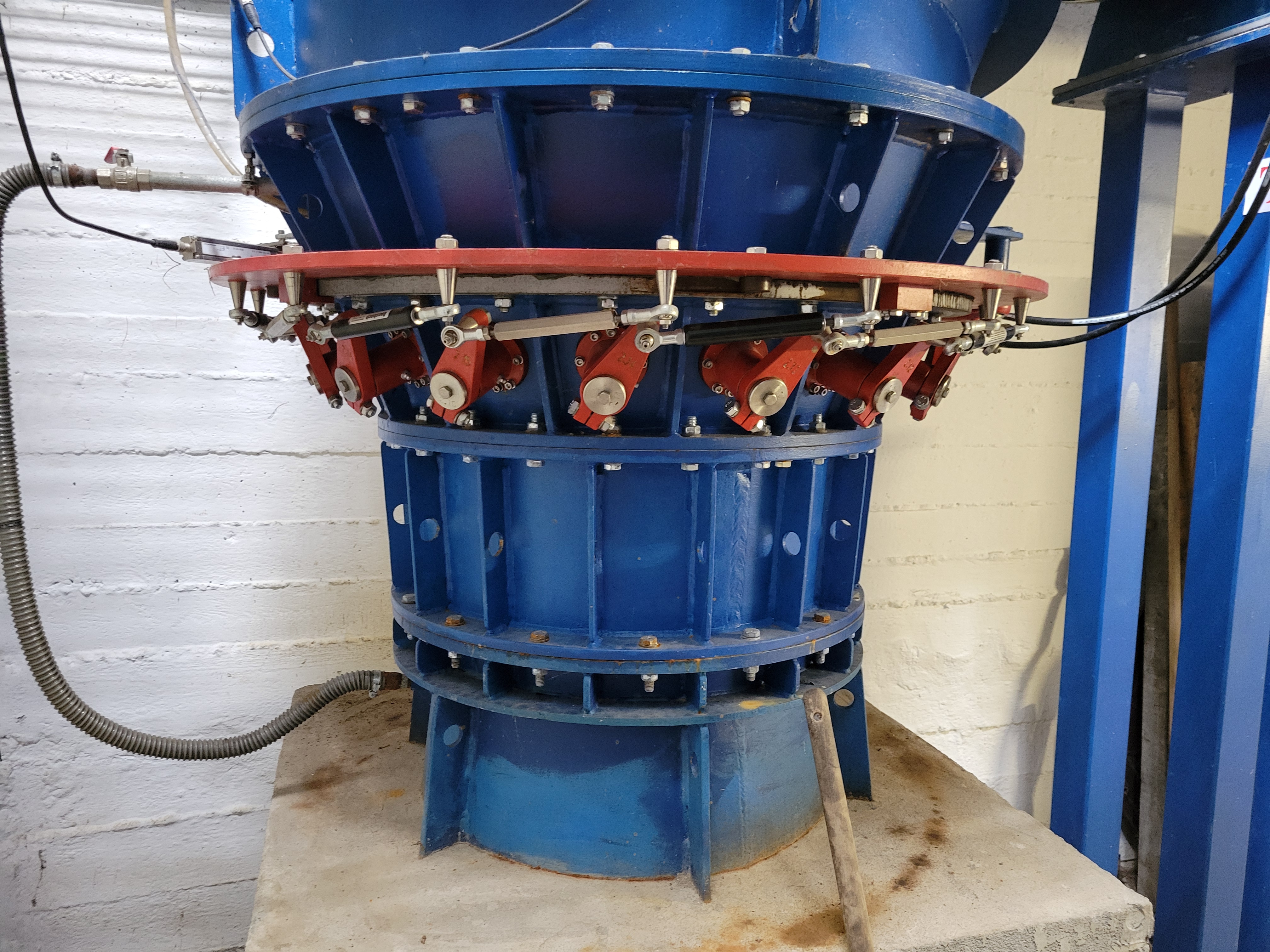
The last set of points are for matching funds and how many tons of CO2 emmissions per year will this reduce annualy. Pretty straight forward. In this post I have basically only talked about scoring of the grant, and what to expect or things that I learned. However there is an immense amount of planning involved to get to this stage. Turbines arent an extremely off the shelf item. Where will you get one? Who is going to install it? What upgrades to the site have to happen in order for you to be sucsessful. Luckily I have been a part of projects like this where we have to think about all the things that have to be done in order to do something. Luckily our site is pretty simple, we unbolt the old thing and bolt a new custom turbine on. Anything more would be too expensive and or impossible. I spent a decent amount of time trying to find a company that will make a turbine that fits our space, which is called a Z turbine, or S turbine. I got a quote from the germans for $3m, a company in San Fran for $1M, China was about $100k, but the wrong shape and would need some creative site work to make it fit. However I managed to find a company in Poland who makes excellent turbines, and one in the shape that we need, and more importantly in budget. More on that later, but heres a sneak peak. On the next post I have to check if I can post my grant proposal and we can run through it.